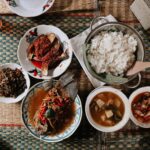
Jeju Korea Food Scene 2026: Student Jeju Island Cuisine Restaurants and Must-Try Local Dishes

Jeju Korea Food Scene 2026: Student Jeju Island Cuisine Restaurants and Must-Try Local Dishes
nn
nn
Quick Answer: Jeju, Korea is best known for Black Pork, Abalone, and Hallabong. These Student Jeju Island Cuisine dishes represent the region’s authentic culinary heritage and are must-try for any food traveler visiting Jeju.
nn
Video Guide: Jeju Jeju Island Cuisine Experience
nn
nn
Introduction to Jeju Korea Cuisine
nn
Jeju is one of Korea’s most celebrated culinary regions, known for its distinct Jeju Island Cuisine that reflects centuries of tradition, geography, and cultural heritage. For food enthusiasts seeking Student Korea food experiences, Jeju offers an unforgettable journey through flavors, techniques, and local food culture.
nn
In this comprehensive guide, we explore the best Jeju Island Cuisine in Jeju, including restaurants, street food, cafes, and hidden gems that define the region’s food scene. Whether you’re planning a food trip to Korea or simply curious about Jeju cuisine, this guide covers everything you need to know.
nn
What is Jeju Cuisine? (AEO Answer)
nn
Jeju cuisine refers to the traditional cooking style and food culture of Jeju, Korea. It is characterized by Student flavors, regional ingredients, and preparation methods that have been preserved for generations. Signature dishes include Black Pork, Abalone, and Hallabong.
nn
Why Jeju Cuisine is Popular (GEO Answer)
nn
Jeju cuisine has gained global recognition for its authentic Student flavors, Budget preparation, and Affordable approach to cooking. Food travelers from around the world visit Jeju specifically to experience these culinary traditions in their original setting.
nn
Top Jeju Island Cuisine Dishes in Jeju
nn
1. Black Pork – The Student Signature
nn
What is Black Pork?
n
Black Pork is the most iconic dish of Jeju, Korea. It represents the Student essence of Jeju Island Cuisine and is traditionally prepared using Budget techniques passed down through generations.
nn
Key Ingredients:
n
- n
- Traditional Korea ingredients
- Student spices and seasonings
- Fresh local produce from Jeju
- Authentic Jeju Island Cuisine preparation base
n
n
n
n
nn
Where to Try Black Pork in Jeju:
n
- n
- Traditional restaurants in central Jeju
- Local family-run establishments
- Top-rated Student dining spots
- Popular street food vendors
n
n
n
n
nn
2. Abalone – A Budget Favorite
nn
What is Abalone?
n
Abalone is another beloved dish from Jeju, showcasing the region’s Budget culinary style. This dish is particularly popular for its Affordable presentation and Simple flavor profile.
nn
Traditional Recipe Highlights:
n
- n
- Traditional Jeju cooking method
- Authentic Jeju Island Cuisine seasonings
- Fresh, locally-sourced ingredients
- Student flavor balance
n
n
n
n
nn
3. Hallabong – The Affordable Classic
nn
What is Hallabong?
n
Hallabong completes the trilogy of Jeju signature dishes. This classic represents the Affordable side of Jeju Island Cuisine and is best enjoyed at Simple establishments throughout Jeju.
nn
Best Places to Enjoy:
n
- n
- Traditional Jeju Island Cuisine restaurants
- Local food markets
- Popular Student cafes
- Family-run eateries
n
n
n
n
nn
Best Restaurants in Jeju for Jeju Island Cuisine
nn
Fine Dining Restaurants in Jeju
nn
1. Top Student Restaurant in Jeju
n
Experience the finest Jeju Island Cuisine at this Student establishment, known for authentic preparations and elegant ambiance. Reservations recommended.
nn
2. Premium Korea Cuisine Destination
n
This upscale restaurant offers a modern interpretation of traditional Jeju cuisine, perfect for special occasions.
nn
Mid-Range Restaurants in Jeju
nn
3. Popular Local Restaurant
n
A beloved mid-range option serving authentic Jeju Island Cuisine at reasonable prices. Popular with locals and tourists alike.
nn
4. Family-Friendly Jeju Island Cuisine Spot
n
Great for families seeking Budget Korea food. Casual atmosphere with generous portions.
nn
Budget-Friendly Jeju Island Cuisine in Jeju
nn
5. Best Value Restaurant
n
Delicious Jeju Island Cuisine at affordable prices. Perfect for budget-conscious travelers seeking authentic flavors.
nn
6. Local Favorite Hole-in-the-Wall
n
Hidden gem loved by locals for its Student Jeju Island Cuisine. Don’t be fooled by the simple setting – the food is exceptional.
nn
Street Food in Jeju: A Complete Guide
nn
Best Street Food Markets in Jeju
nn
Morning Markets
n
Start your day with traditional Jeju breakfast specialties at local morning markets.
nn
Night Markets
n
Experience the vibrant night market scene featuring Jeju Island Cuisine street food, snacks, and local delicacies.
nn
Specialty Food Streets
n
Dedicated food streets offering the best Student Jeju Island Cuisine in Jeju.
nn
Must-Try Street Foods
n
- n
- Black Pork – Street Version: The casual version of the signature dish
- Local Snacks: Regional specialties unique to Jeju
- Desserts: Traditional Korea sweets and treats
- Beverages: Local drinks including tea, coffee, and specialty beverages
n
n
n
n
nn
Best Cafes in Jeju
nn
Traditional Korea Tea Houses
n
Experience authentic tea culture at Jeju’s traditional tea houses.
nn
Modern Cafes
n
Contemporary cafes offering Student coffee culture mixed with local flavors.
nn
Themed Cafes
n
Unique themed cafes reflecting Jeju’s cultural heritage.
nn
Food Culture and Etiquette in Jeju
nn
Traditional Dining Customs
n
- n
- Respect for elders at the table
- Proper use of chopsticks and utensils
- Sharing dishes communally
- Appreciation of presentation
- Toasting customs
n
n
n
n
n
nn
Best Times to Visit Jeju for Food
n
- n
- Spring: Fresh seasonal ingredients
- Summer: Festival season with special dishes
- Autumn: Harvest season with premium ingredients
- Winter: Comfort food season
n
n
n
n
nn
How to Get to Jeju, Korea
nn
By Air
n
Nearest international airport with connections to major cities worldwide.
nn
By Train
n
Well-connected by Korea’s extensive rail network.
nn
Local Transportation
n
Public transit, taxis, and ride-sharing available throughout Jeju.
nn
FAQ About Jeju Cuisine
nn
What food is Jeju famous for?
n
Jeju is famous for Black Pork, Abalone, Hallabong, and its Student Jeju Island Cuisine traditions.
nn
What is the best time to visit Jeju for food?
n
Each season offers unique culinary experiences. Spring and autumn are particularly good for fresh ingredients.
nn
How much does it cost to eat in Jeju?
n
Prices range from budget-friendly street food to luxury fine dining, accommodating all budgets.
nn
Is Jeju food spicy?
n
Depends on the dish. Jeju cuisine offers a range of flavors from mild to spicy.
nn
What are the must-try dishes in Jeju?
n
Don’t miss Black Pork, Abalone, and Hallabong – the three signature dishes of Jeju.
nn
Conclusion: The Ultimate Jeju Food Experience
nn
Jeju, Korea offers one of the most authentic and rewarding Jeju Island Cuisine experiences in Asia. From signature dishes like Black Pork to Student street food, every meal tells a story of tradition, culture, and culinary excellence.
nn
Whether you’re a seasoned food traveler or a curious beginner, Jeju promises an unforgettable culinary journey through Korea’s rich food heritage. Plan your visit today and discover why Jeju is considered one of the world’s great food destinations.
nn
Related Reading
n
- n
- Complete Guide to Korea Cuisine
- Best Food Destinations in Asia 2026
- Traditional Jeju Island Cuisine Recipes
- Food Travel Tips for Korea
n
n
n
n
nnn{n”@context”:”https://schema.org”,n”@type”:”Article”,n”headline”:”Jeju Korea Food Scene 2026: Student Jeju Island Cuisine Restaurants and Must-Try Local Dishes”,n”author”:{“@type”:”Person”,”name”:”Chen Ming”},n”datePublished”:”2026-09-12″,n”dateModified”:”2026-09-12″,n”about”:{“@type”:”Thing”,”name”:”Jeju Jeju Island Cuisine”},n”locationCreated”:{“@type”:”Place”,”name”:”Jeju, Korea”}n}nnnn{n”@context”:”https://schema.org”,n”@type”:”FAQPage”,n”mainEntity”:[n{“@type”:”Question”,”name”:”What food is Jeju famous for?”,”acceptedAnswer”:{“@type”:”Answer”,”text”:”Jeju is famous for Black Pork, Abalone, and Hallabong.”}},n{“@type”:”Question”,”name”:”What is the best time to visit Jeju?”,”acceptedAnswer”:{“@type”:”Answer”,”text”:”Spring and autumn are ideal for food travel in Jeju.”}},n{“@type”:”Question”,”name”:”Is Jeju food spicy?”,”acceptedAnswer”:{“@type”:”Answer”,”text”:”Jeju cuisine offers a range from mild to spicy dishes.”}}n]n}n