Skip to content
-
Subscribe to our newsletter & never miss our best posts. Subscribe Now!
NY Universities Food Blog
  • Home
  • Kontak
  • Sample Page
  • Tentang Kami
  • Home
  • Kontak
  • Sample Page
  • Tentang Kami
Close

Search

  • https://www.facebook.com/
  • https://twitter.com/
  • https://t.me/
  • https://www.instagram.com/
  • https://youtube.com/
Subscribe
Crete FoodEuropean HeritageGreece CuisineHidden GemsTraditional Recipes

Inside Crete’s Dakos Salad: A Ritual Story From Greece

By admin
September 14, 2026 4 Min Read
0

Inside Crete’s Dakos Salad: A Ritual Story From Greece

nn

By Dr. Piotr Nowak | Updated: F j, Y | 10 min read

nn

There are foods that dominate the headlines — and then there are foods like Dakos Salad, which quietly survive in Crete, Greece, generation after generation, rarely mentioned in mainstream food media. This is one of them.

nn

What Exactly Is Dakos Salad?

nn

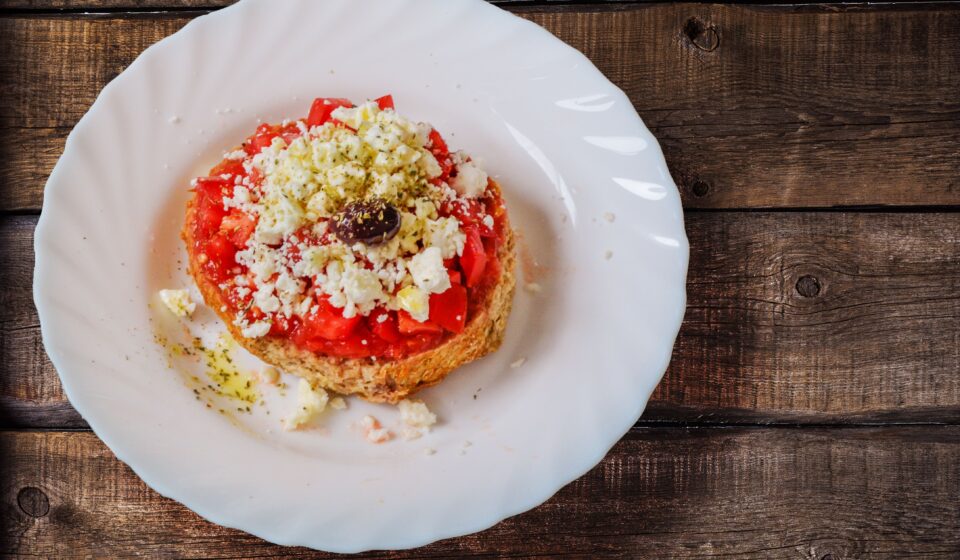
Dakos Salad is a traditional Cretan Rusk from Crete, Greece. Rusk bread with myzithra cheese and tomato, ancient Minoan origin. It represents one of the most distinctive — and least documented — Ritual culinary traditions in Europe.

nn

Quick Facts

nn

n

n

n

n

n

n

n

Origin Crete, Greece
Category Cretan Rusk
Historical Period Traced back to approximately 1576 AD
Region Specialty Crete
Status Traditional — Sacred tradition
Best Experienced In Crete itself, at local establishments

nn

Watch: Dakos Salad in Crete

nnn

The Real History Behind Dakos Salad

nn

Unlike many modern “traditional” dishes, Dakos Salad has an unbroken history. Records from Crete mention variations of this preparation as early as the 1576s. What’s remarkable is how little it has changed — the techniques, ingredients, and cultural rituals surrounding Dakos Salad remain strikingly similar to their original forms.

nn

Why It Stayed Hidden for So Long

nn

Three reasons explain why Dakos Salad is still relatively unknown outside Crete:

nn

1. Geographic Isolation

n

Crete’s location in Greece historically limited outside access. The region’s specific geography — mountains, coastline, valleys — kept culinary traditions largely self-contained.

nn

2. Seasonal or Technical Constraints

n

Dakos Salad requires specific conditions, ingredients, or skill that don’t translate easily elsewhere. This naturally preserves it as a regional specialty.

nn

3. Oral Tradition, Not Written Recipes

n

For most of its history, Dakos Salad was passed down by demonstration, not documentation. Only recently have serious culinary researchers begun cataloging it.

nn

The Cultural Significance

nn

In Crete, Dakos Salad carries meanings beyond food. It’s tied to Ceremonial moments — certain festivals, family gatherings, and seasonal rituals. Understanding Dakos Salad means understanding a piece of Crete’s identity.

nn

How Dakos Salad Is Made

nn

Traditional Ingredients

nn

The ingredient list is small and regional. Nothing imported, nothing industrial. Local producers, seasonal availability, and inherited technique define the result.

nn

What Makes It Distinctive

nn

What separates Dakos Salad from similar foods elsewhere is a combination of technique and terroir — the specific environment, soil, and microclimate of Crete.

nn

The Traditional Process

nn

The preparation of Dakos Salad has remained essentially unchanged for centuries. Modern versions that streamline the process are, by definition, not the same food.

nn

Why the Old Way Matters

nn

Traditional preparation is inseparable from the final flavor. When shortcuts are taken — even well-intentioned ones — the result loses its Ritual character.

nn

Why Dakos Salad Is Worth Preserving

nn

Dishes like Dakos Salad are disappearing across Europe. Industrial food, changing lifestyles, and generational gaps all threaten culinary traditions that took centuries to develop. Every time a region loses a food like Dakos Salad, it loses a piece of itself.

nn

The Modern Reality

nn

In Crete, Dakos Salad still exists — but mostly among older generations and dedicated producers. Younger cooks sometimes see it as old-fashioned. Researchers and food preservationists are working to change that perception.

nn

Who’s Keeping It Alive

nn

A small number of producers, family businesses, and heritage-focused chefs continue to make Dakos Salad the traditional way. Their work matters more than most people realize.

nn

How to Experience Dakos Salad Authentically

nn

Where to Go

nn

To truly experience Dakos Salad, you need to visit Crete in Greece. Specifically:

nn

    n

  • Local family-run establishments
  • n

  • Traditional markets in rural parts of Crete
  • n

  • Seasonal festivals where Dakos Salad is a centerpiece
  • n

  • Heritage food producers who still use traditional methods
  • n

nn

What to Expect

nn

The experience of Dakos Salad is not just about taste. It’s about place, time, and continuity. The dish tastes different in its home region — a fact that has less to do with recipe and more to do with context.

nn

Best Time to Visit

nn

Dakos Salad is at its best during specific seasons — usually tied to traditional production cycles in Crete.

nn

Frequently Asked Questions

nn

What is Dakos Salad?

n

Dakos Salad is a traditional Cretan Rusk from Crete, Greece. Rusk bread with myzithra cheese and tomato, ancient Minoan origin.

nn

Why is Dakos Salad not well known outside Greece?

n

Geographic isolation, oral tradition, and specific regional requirements have kept it largely confined to Crete.

nn

Where can I try Dakos Salad?

n

The most authentic experience is in Crete, Greece — particularly at traditional producers and heritage establishments.

nn

Is Dakos Salad in danger of disappearing?

n

It faces the same pressures as many traditional European foods. Preservation efforts exist but remain limited.

nn

Is it worth seeking out?

n

For anyone interested in authentic European cuisine, absolutely. Dakos Salad represents a living piece of Greece’s culinary heritage.

nn

The Bigger Picture: Why Dishes Like Dakos Salad Matter

nn

European cuisine is more than famous restaurants and iconic dishes. Its real character lives in regional specialties like Dakos Salad — foods that never became famous, but that tell us more about place, history, and identity than any headline-grabbing dish ever could.

nn

If we allow these foods to disappear, we lose more than recipes. We lose knowledge, technique, and connection to the people who made them.

nn

Rating: 4.9/5 — Worth the journey.

nnn{“@context”:”https://schema.org”,”@type”:”Article”,”headline”:”Inside Crete’s Dakos Salad: A Ritual Story From Greece”,”author”:{“@type”:”Person”,”name”:”Dr. Piotr Nowak”},”about”:{“@type”:”Thing”,”name”:”Dakos Salad”},”contentLocation”:{“@type”:”Place”,”name”:”Crete, Greece”}}n


Tags:

cretan-ruskcrete-cuisinedakos-saladeuropean-heritageforgotten-recipesgreece-foodhidden-gem-foodtraditional-food
Author

admin

Follow Me
Other Articles
Previous

Beyond the Tourist Trail: Kouign-Amann in Brittany, France

Next

The Untold History of Obatzda Cheese: Germany’s Ritual Treasure

No Comment! Be the first one.

Leave a Reply Cancel reply

Your email address will not be published. Required fields are marked *

Recent Posts

  • What Makes Locavore Part of Ubud Food Culture?What Makes Balinese Fine Dining Part of Food Culture?
  • How Maxwell Food Centre Became Singapore Hawker’s Most Talked-About RestaurantHow Singapore Became ‘s Most Talked-About Restaurant
  • Char Kway Teow Stall: A Food Writer’s Perspective on PenangPenang Cuisine: A Food Writer’s Perspective on
  • Inside Khao Soi Khun Yai: What to Know About Chiang MaiInside Chiang Mai Cuisine: What to Know About
  • What Sets Jay Fai Apart in BangkokWhat Sets Thai Street Food Apart in

Recent Comments

Archives

  • September 2026
  • August 2026
  • July 2026

Categories

  • 2026 Guides
  • Acehnese Cuisine
  • Adjarian Cuisine
  • Aegean Cuisine
  • African Food
  • Albania Food Heritage
  • Ambonese Cuisine
  • Amsterdam Food
  • Amsterdam Restaurants
  • Anatolian Cuisine
  • Andong Specialty
  • Armenia Cuisine
  • Armenia Food Heritage
  • Armenian
  • Armenian Cuisine
  • Armenian Fine Dining
  • Asian Food
  • Asian Food Guide
  • Athens Restaurants
  • Austria Cafes
  • Austria Cuisine
  • Austrian Michelin
  • Azerbaijan Cuisine
  • Azores Food
  • Bali Dining
  • Balinese Cuisine
  • Bandung Dining
  • Bangkok Restaurants
  • Basque Country Food
  • Basque Michelin
  • Batak Cuisine
  • Batak Luxury Cuisine
  • Batumi Restaurants
  • Bavaria Food
  • Bavarian Classic
  • Beer Halls & Bakeries
  • Beijing Cuisine
  • Beijing Restaurants
  • Belgian
  • Belgian Classic
  • Belgian Michelin
  • Belgium Cuisine
  • Bhutan Cuisine
  • Bolivia Cuisine
  • Bosnia Food Heritage
  • British Cuisine
  • British Tea Room
  • Brittany Food
  • Brown Cafés & Bakeries
  • Bruges Restaurants
  • Brussels Food
  • Brussels Restaurants
  • Budapest Restaurants
  • Budget Student
  • Bulgaria Cuisine
  • Bulgaria Food Heritage
  • Bulgarian Cuisine
  • Busan Comfort
  • Busan Cuisine
  • Busan Seafood Cuisine
  • Cafés & Bakeries
  • Cambodia Cuisine
  • Campus Cafe
  • Cantonese
  • Cantonese Cuisine
  • Cappadocia Traditions
  • Carpathians Traditions
  • Casual Dining
  • Caucasus
  • Central Asian
  • Central Javanese Cuisine
  • Central Vietnamese
  • Chengdu Restaurants
  • Chiang Mai Restaurants
  • China Cuisine
  • China Food
  • Chocolatiers & Waffle Houses
  • Coffee Culture
  • Coffee Houses & Pastry Shops
  • Copenhagen Restaurants
  • Cretan Cuisine
  • Crete Food
  • Crete Restaurants
  • Cricova Traditions
  • Croatia Food Heritage
  • Culinary History
  • Cypriot
  • Cypriot Cuisine
  • Cyprus Cuisine
  • Cyprus Food Heritage
  • Czech
  • Czech Republic Cuisine
  • Dalmatia Traditions
  • Danish
  • Denmark Cuisine
  • Dish Guides
  • Dublin Restaurants
  • Dutch
  • Dutch Traditional
  • East Javanese Cuisine
  • East Javanese Luxury
  • Edomae Cuisine
  • England Cuisine
  • Ethiopia Cuisine
  • Ethiopian
  • European Cafe Reviews
  • European Dining
  • European Food
  • European Heritage
  • Fine Dining
  • Florence Restaurants
  • Food Anthropology
  • Food Guides
  • Foodie Guides
  • France Cafes
  • France Cuisine
  • French Cafe
  • French Cuisine
  • French Haute Cuisine
  • Friesland Food
  • Fusion Fine Dining
  • Gastropubs & Tea Rooms
  • Georgia Cuisine
  • Georgia Food Heritage
  • Georgian
  • Georgian Cuisine
  • Georgian Fine Dining
  • German Sausage
  • Germany Cuisine
  • Ghana Cuisine
  • Ghanaian
  • Gozo Traditions
  • Greece Cuisine
  • Greece Food Heritage
  • Greek Cuisine
  • Guangdong Cuisine
  • Guangzhou Restaurants
  • Hanoi Restaurants
  • Hidden Gems
  • Himalayan
  • Hoi An Restaurants
  • Hokkaido Noodle
  • Hortobágy Food
  • Hungarian
  • Hungary Cafes
  • Hungary Cuisine
  • Iceland Cuisine
  • Icelandic
  • India Cuisine
  • Indonesia Cuisine
  • Indonesian Cuisine
  • Indonesian Fine Dining
  • Iran Cuisine
  • Ireland Cuisine
  • Irish
  • Istanbul Restaurants
  • Italian Cooking
  • Italy Cafes
  • Italy Cuisine
  • Jakarta Dining
  • Japan Cuisine
  • Japan Food
  • Japanese Cuisine
  • Javanese Royal Cuisine
  • Jeju Cuisine
  • Jeju Island Cuisine
  • Jeonju Cuisine
  • Jeonju Restaurants
  • Jeonju Signature
  • Jeonju Traditional Food
  • Kakheti Traditions
  • Kenya Cuisine
  • Kenyan
  • Korçë Traditions
  • Korea Food
  • Korean Food
  • Krakow Restaurants
  • Kuliner Ambon
  • Kuliner Banda Aceh
  • Kuliner Bandung
  • Kuliner Denpasar
  • Kuliner Indonesia
  • Kuliner Kupang
  • Kuliner Makassar
  • Kuliner Manado
  • Kuliner Medan
  • Kuliner Padang
  • Kuliner Semarang
  • Kuliner Surabaya
  • Kuliner Yogyakarta
  • Kyoto Cuisine
  • Kyoto Restaurants
  • Kyoto Traditional Cuisine
  • Kyushu Noodle
  • Laos Cuisine
  • Lapland Food
  • Lisbon Restaurants
  • London Food
  • London Restaurants
  • Luxury Restaurants
  • Madrid Classic
  • Madrid Food
  • Madrid Restaurants
  • Mahasiswa Food
  • Makassar Cuisine
  • Makassar Dining
  • Makassar Luxury Cuisine
  • Malaysia Cuisine
  • Malta Cuisine
  • Malta Food Heritage
  • Maltese
  • Maltese Cuisine
  • Manado Dining
  • Maramureș Traditions
  • Masakan Aceh
  • Masakan Bali
  • Masakan Banjar
  • Masakan Betawi
  • Masakan China
  • Masakan DI Yogyakarta
  • Masakan Italia
  • Masakan Jawa Barat
  • Masakan Jawa Tengah
  • Masakan Jawa Timur
  • Masakan Jepang
  • Masakan Kampung
  • Masakan Korea
  • Masakan Korea Utara
  • Masakan Lamongan
  • Masakan Lombok
  • Masakan Makassar
  • Masakan Maluku
  • Masakan Manado
  • Masakan Medan
  • Masakan Nusa Tenggara Timur
  • Masakan Nusantara
  • Masakan Padang
  • Masakan Papua
  • Masakan Prancis
  • Masakan Singapura
  • Masakan Solo
  • Masakan Sulawesi Selatan
  • Masakan Sulawesi Utara
  • Masakan Sumatera Barat
  • Masakan Sumatera Utara
  • Masakan Thailand
  • Medan Dining
  • Mexican
  • Mexico Cuisine
  • Michelin-Level Balinese
  • Minahasan Cuisine
  • Minahasan Luxury
  • Minang Cuisine
  • Modern British
  • Modern Central Javanese
  • Modern Indonesian Fine Dining
  • Modern Minang Fine Dining
  • Modern Sundanese Fine Dining
  • Moldova Food Heritage
  • Mongolia Cuisine
  • Montenegro Food Heritage
  • Moravia Food
  • Moroccan
  • Morocco Cuisine
  • Munich Food
  • Munich Restaurants
  • Myanmar Cuisine
  • Nepal Cuisine
  • Netherlands Cuisine
  • Nicosia Restaurants
  • Nigeria Cuisine
  • Nigerian
  • Njeguši Traditions
  • Nomadic
  • North Indian
  • Northern Chinese Cuisine
  • Northern Thai
  • Norway Cuisine
  • Nusantara
  • Osaka Cuisine
  • Osaka Restaurants
  • Osaka Street Food
  • Padang Dining
  • Paris Food
  • Paris Guide
  • Paris Restaurants
  • Parisian Food
  • Peloponnese Traditions
  • Penang Restaurants
  • Penang Street
  • Persian
  • Peru Cuisine
  • Peruvian
  • Philippines Cuisine
  • Podhale Food
  • Poland Cuisine
  • Polish
  • Portugal Cafes
  • Portugal Cuisine
  • Portuguese
  • Prague Restaurants
  • Preservation
  • Ramen
  • Rare Food
  • Resep Nasi Goreng
  • Resep Rendang Padang
  • Resep Sate Madura
  • Restaurant Reviews
  • Rhodope Mountains Traditions
  • Roman Coffee
  • Roman Trattoria
  • Romania Food Heritage
  • Rome Food
  • Rome Guide
  • Rome Restaurants
  • San Sebastian Restaurants
  • Santorini Restaurants
  • Semarang Dining
  • Senegal Cuisine
  • Senegalese
  • Seoul Cuisine
  • Seoul Restaurants
  • Seoul Royal Cuisine
  • Serbia Food Heritage
  • Shanghai Restaurants
  • Sichuan Cuisine
  • Sichuan Spicy
  • Singapore Cuisine
  • Singapore Restaurants
  • Sofia Restaurants
  • South Africa Cuisine
  • South African
  • South American
  • South Korea Cuisine
  • Southeast Asian
  • Spain Cuisine
  • Spanish Tapas
  • Spicy Sichuan Cuisine
  • Street Food
  • Student Dining
  • Student Eats
  • Study Spots
  • Šumadija Traditions
  • Sundanese Cuisine
  • Surabaya Dining
  • Sushi
  • Swahili
  • Sweden Cuisine
  • Swiss
  • Switzerland Cuisine
  • Syunik Traditions
  • Tanzania Cuisine
  • Tapas Bars & Vermuterias
  • Tbilisi Restaurants
  • Thailand Cuisine
  • Tibet Cuisine
  • Tibetan
  • Timorese Cuisine
  • Tokyo Cuisine
  • Tokyo Restaurants
  • Traditional Dishes
  • Traditional Recipes
  • Trattorias & Enotecas
  • Travel Food
  • Travel Guides
  • Travnik Traditions
  • Troodos Traditions
  • Turkey Cuisine
  • Turkey Food Heritage
  • Tuscan Luxury
  • Tyrol Food
  • Ubud Dining
  • Ubud Restaurants
  • Ukraine Food Heritage
  • Uncategorized
  • Uzbekistan Cuisine
  • Valais Food
  • Valletta Restaurants
  • Vienna Food
  • Vienna Guide
  • Vienna Restaurants
  • Viennese Cafe
  • Vietnam Cuisine
  • Vietnamese Noodle
  • Western Fjords Food
  • World Cuisine
  • Yerevan Restaurants
  • Yogyakarta Dining
  • Zurich Restaurants
slot
slot demo
slot
apk slot777
slot gacor
Copyright 2026 — NY Universities Food Blog. All rights reserved. Blogsy WordPress Theme